
Is your home actually designed for a cat’s natural behaviors? Most owners struggle to choose gear that truly benefits their pet. This guide simplifies the selection process by aligning feline supplies with biological needs, ensuring your home becomes a sanctuary for your cat’s health and happiness.
Optimizing the Litter Box Environment
The litter box is the most critical piece of equipment in your home. While many owners prefer hooded boxes to hide messes, the Cornell Feline Health Center notes that most cats actually prefer simple, open litter boxes. These designs offer better ventilation and allow the cat to monitor their surroundings, which helps them feel secure.
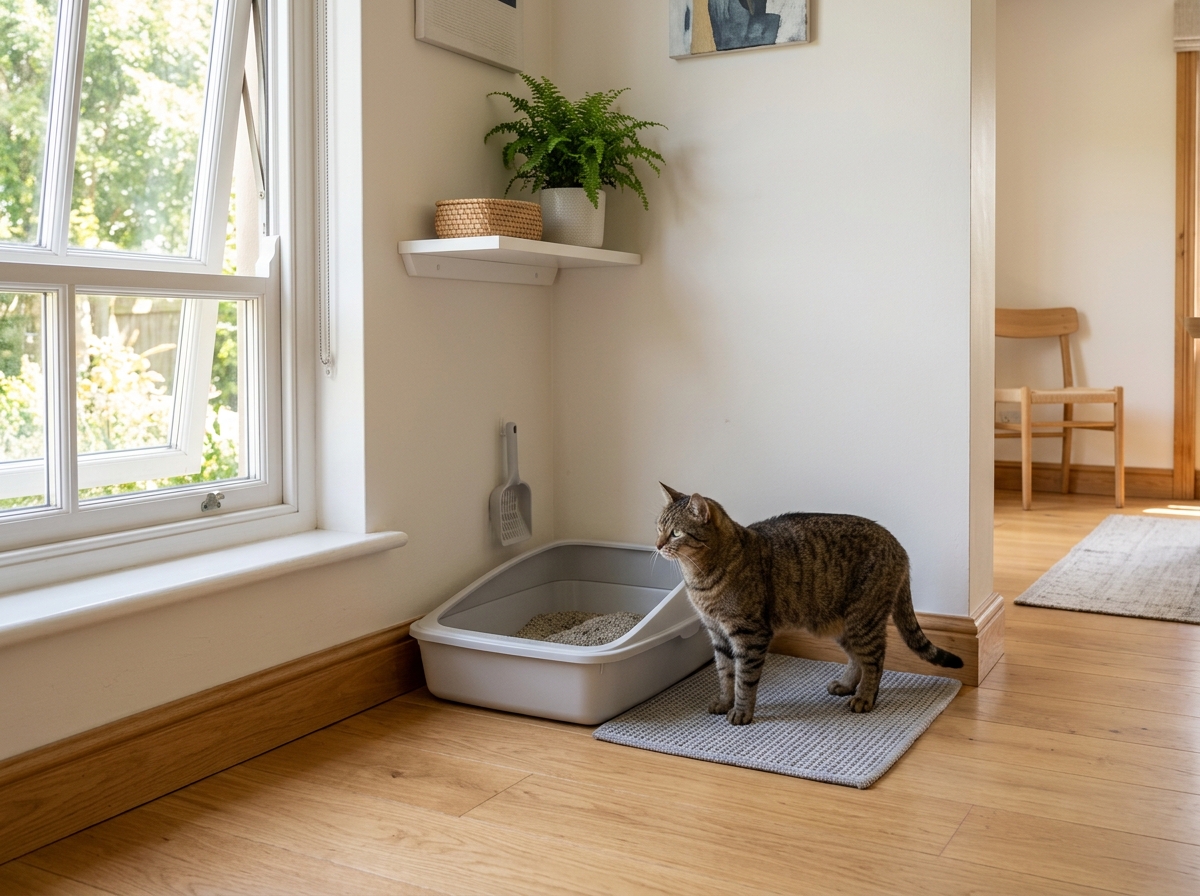
Proper sizing is also vital for your pet's comfort. According to the American Animal Hospital Association (AAHA), a litter box should be at least one and a half times the length of your cat, measured from their nose to the tip of the tail. This space allows them to turn around and bury waste without feeling cramped.
When comparing cat litter options, consider the texture and scent. Most cats prefer unscented, clumping litters that are soft on their paws. Ensure you have a sturdy scoop and a dedicated waste bin nearby to maintain daily hygiene, as cats are highly sensitive to cleanliness.
Satisfying the Scratching Instinct
Scratching is a fundamental feline behavior rather than a destructive habit. International Cat Care explains that cats scratch to maintain healthy claws, mark their territory, and exercise the muscles in their front legs and spine. To protect your furniture, you must provide a variety of cat scratching posts made from durable materials like sisal rope or corrugated cardboard.
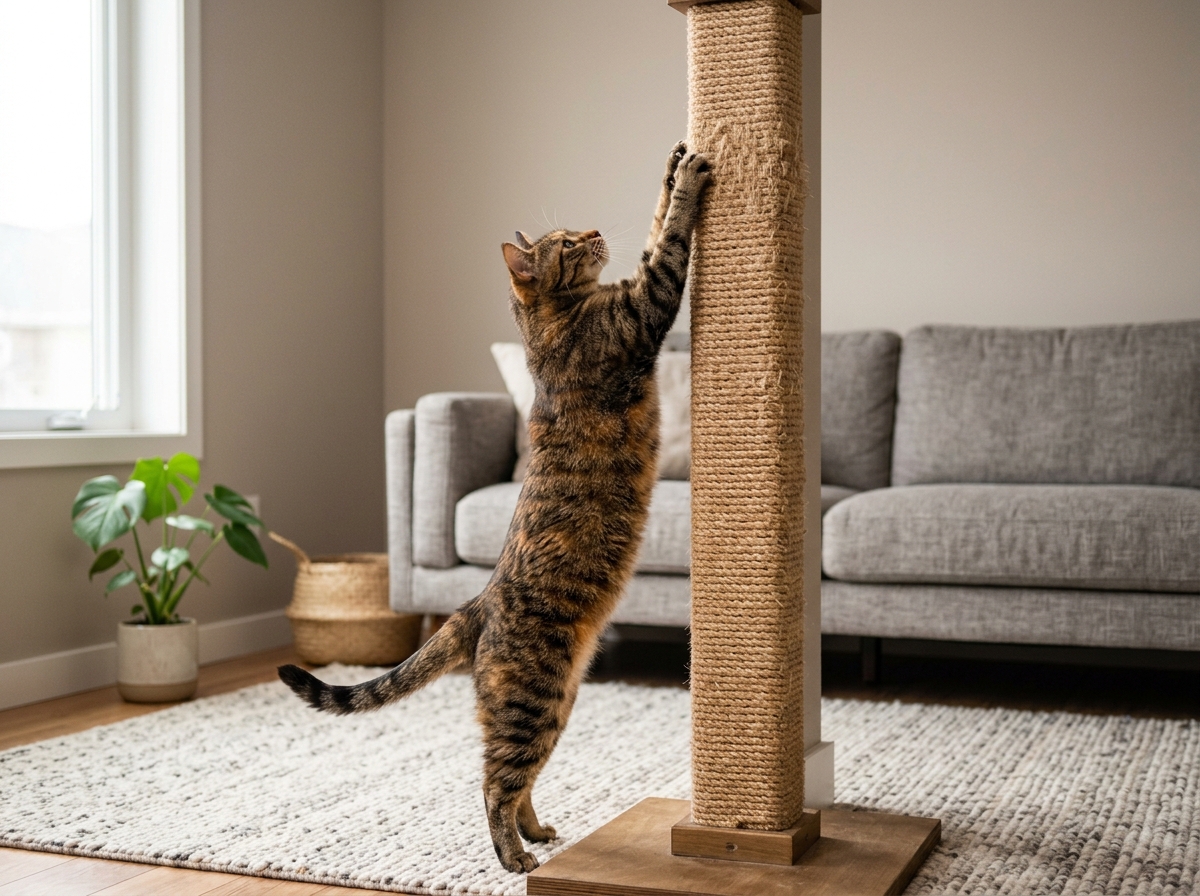
A high-quality scratcher should be tall enough for the cat to fully extend its body. While vertical posts are popular for stretching, some cats prefer horizontal scratching pads for different muscle engagement. Observe your cat's specific preferences to determine which style best suits their needs and place them in high-traffic areas where the cat naturally wants to mark territory.
Stress-Free Travel Gear
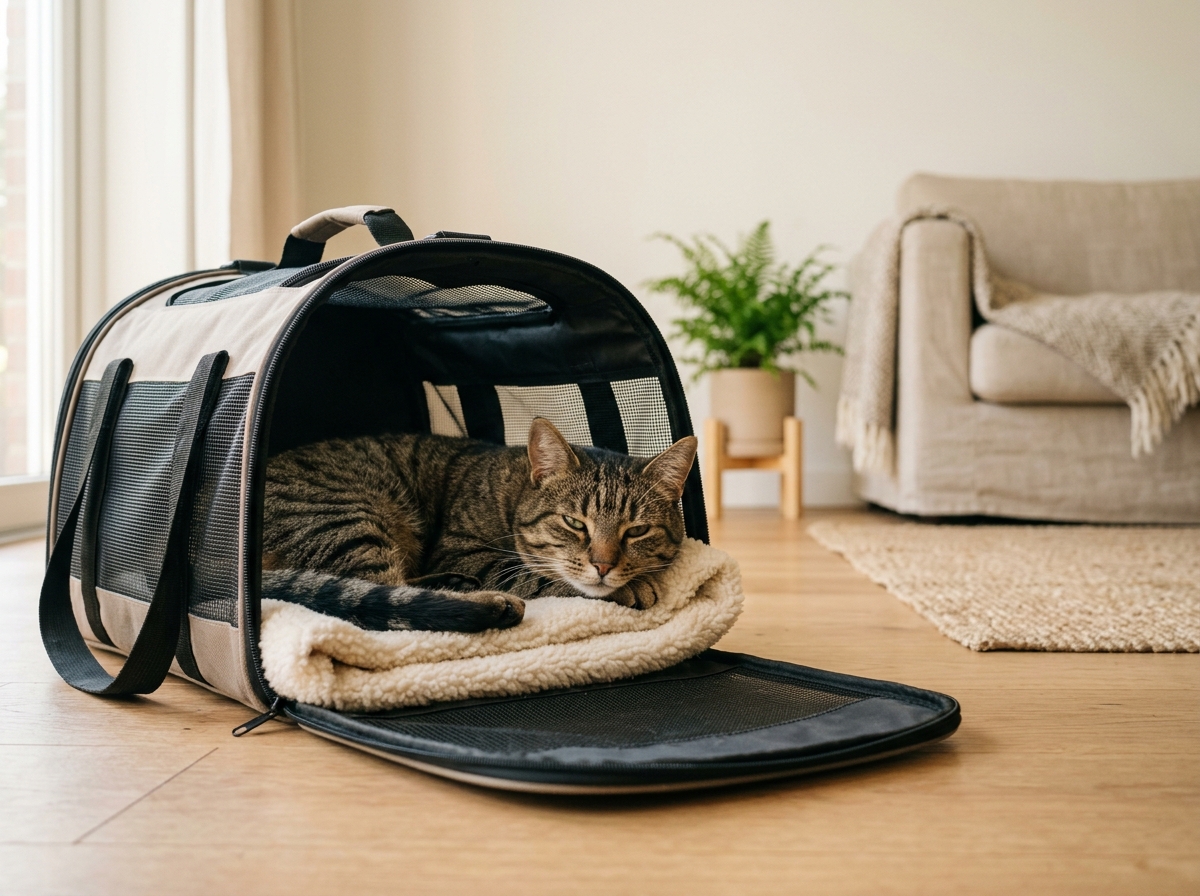
A cat carrier is essential for veterinary visits and emergency situations, yet it is often a source of significant anxiety. Cats Protection recommends that each cat in a multi-pet household should have their own individual carrier to prevent redirected aggression and stress during transit.
To make travel less frightening, experts like Jackson Galaxy suggest leaving the cat carrier out in the open rather than hiding it in a closet. Placing scent soakers – items like a familiar blanket or towel – inside the carrier, along with occasional treats, helps your cat build positive associations with the space. This proactive training ensures the cat feels safe inside the unit long before you ever leave the house.
The Basic Essentials Checklist
Beyond hygiene and travel, several everyday items are necessary for a well-rounded feline environment. The Animal Humane Society identifies several core supplies that every owner should have to support daily health:
- Food and Water Dishes: Stainless steel or ceramic bowls are preferred over plastic to prevent feline acne and bacterial buildup.
- High-Quality Cat Food: Consult with your veterinarian to choose a nutritional cat food appropriate for your cat’s specific life stage and activity level.
- Enrichment Toys: Interactive cat toys like wand teasers and puzzle feeders provide necessary mental stimulation and essential physical exercise.
- Identification: Even indoor cats should wear a breakaway collar with a pet ID tag and have a registered microchip for safety in case of an escape.
Focusing on these fundamental categories creates a stable foundation for your cat’s life. By matching products to their biological needs rather than just your personal aesthetic, you foster a healthier, more confident pet. Audit your current setup today to see where your cat might benefit from a more instinct-friendly environment.